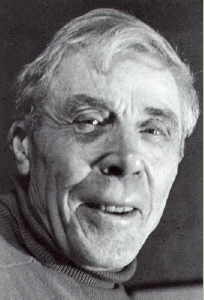
| Hyacinthe Jean Vincent, né à Bordeaux le 22 décembre 1862 et mort à Paris le 23 novembre 1950, est un médecin français, connu principalement pour ses travaux sur la fièvre typhoïde et la gangrène gazeuse. Médecin général inspecteur de l'armée, affecté à l'École militaire du dey d'Alger, Vincent y découvre le bacille Fusiformis fusiformis qui est à l'origine de l'angine ulcéro-membraneuse, généralement unilatérale, appelée «angine de Vincent». Professeur agrégé au Val-de-Grâce, titulaire de la chaire d'épidémiologie et au Collège de France, En 1912, il vaccine avec succès le contingent français d'Afrique du Nord contre la typhoïde grâce à un vaccin mis au point en 1896 par Almroth Wright en Angleterre et en 1909 par lui-même et André Chantemesse en France. Lors de la Première Guerre mondiale, une loi du 28 mars 1914 impose la vaccinination contre la typhoïde et les paratyphoïdes A et B (vaccination T.A.B) et sauve l'armée française en supprimant presque totalement les cas de fièvre typhoïde. Les maréchaux Joffre et Foch lui rendent hommage. On lui doit aussi la découverte du vaccin contre la gangrène gazeuse. Membre de l'Académie de médecine, il est élu membre de l'Académie des sciences en 1922. Jean Hyacinthe Vincent (22 December 1862 – 23 November 1950) was a French physician, associate professor at Val-de-Grâce, medical inspector general with the French Army, chair of epidemiology at Collège de France. Vincent is credited with the discovery of the organisms that cause a 'trench mouth', an acute infection of the oral soft tissues, including the tonsils and pharynx, now called Vincent's angina or Vincent's gingivitis in honor of his discovery. He is also remembered for his work with vaccines, and his successful inoculations of the French Army against typhoid fever and paratyphoid fever, types A and B. He started these vaccinations in 1910, and they were continued during World War I. Marshals Joseph Joffre (1852–1931) and Ferdinand Foch (1851–1929) paid homage to Vincent and his medical work that saved countless lives. | 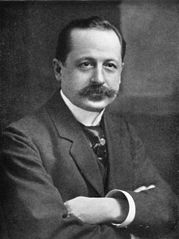 |
| Le médecin général inspecteur Hyacinthe Vincent, membre de l'institut et de l'académie de médecine médaille militaire, grand croix de la légion d'honneur, cité à l'ordre de la nation, illustre savant qui par ses fécondes études et ses découvertes en médecine préventive et plus particulièrement dans la lutte contre la fièvre typhoïde s'est acquis des droits incontestables à la reconnaissance du pays tout entier, a vécu dans cet immeuble de 1932 à 1950. | Hyacinthe Vincent, medical inspector general with the French Army, member of the Institut de France and Academy of Medicine, Medaille militaire, Grand cross of the Legion of Honor, Recognized by the Nation, Famous scientist whose studies and discoveries in preventative medicine, especially against typhoid fever, gained him indisputable rights for the gratitude of the whole nation, lived here from 1932 to 1950. | 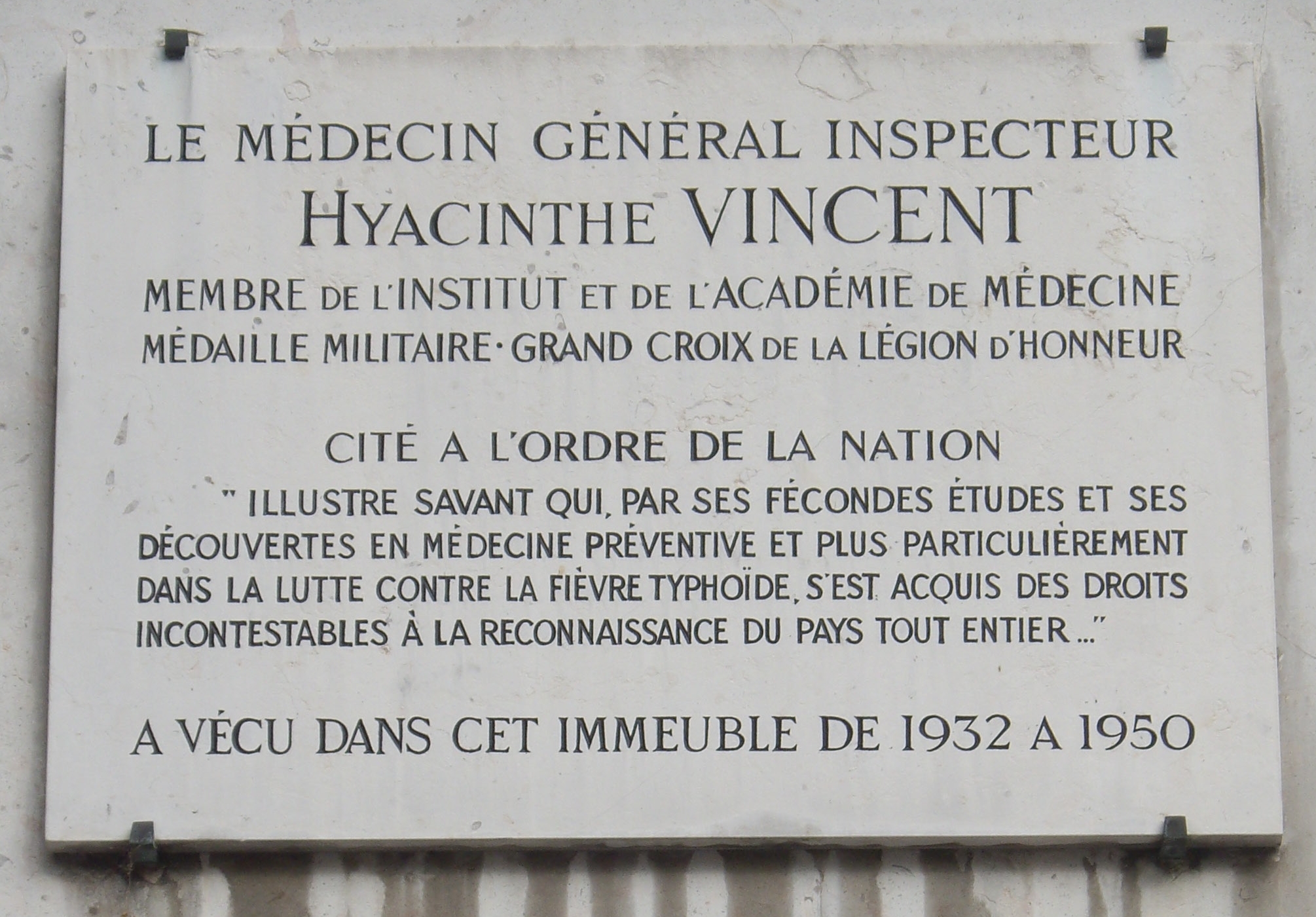 |
Wikipédia fr:Hyacinthe Vincent
Wikipedia En:Jean Hyacinthe Vincent
Copyrights: Images hotlinked from Wikipedia Commons retain their licences. All other pictures are CC-BY-NC-SA, Serendiparis, 2001-2012